
Birdwatching at the Jade Bay — Encounters in Sehestedt and Dangast
On the 2nd and 7th of November, we spent two peaceful days exploring the coastal landscapes of Sehestedt and Dangast, both situated along the shores of the Jade Bay (Jadebusen) in northern Germany. These outings were not only a welcome escape into nature but also offered wonderful opportunities to observe and photograph a variety of birds, especially waders—those elegant, long-legged species so characteristic of tidal flats and salt marshes.
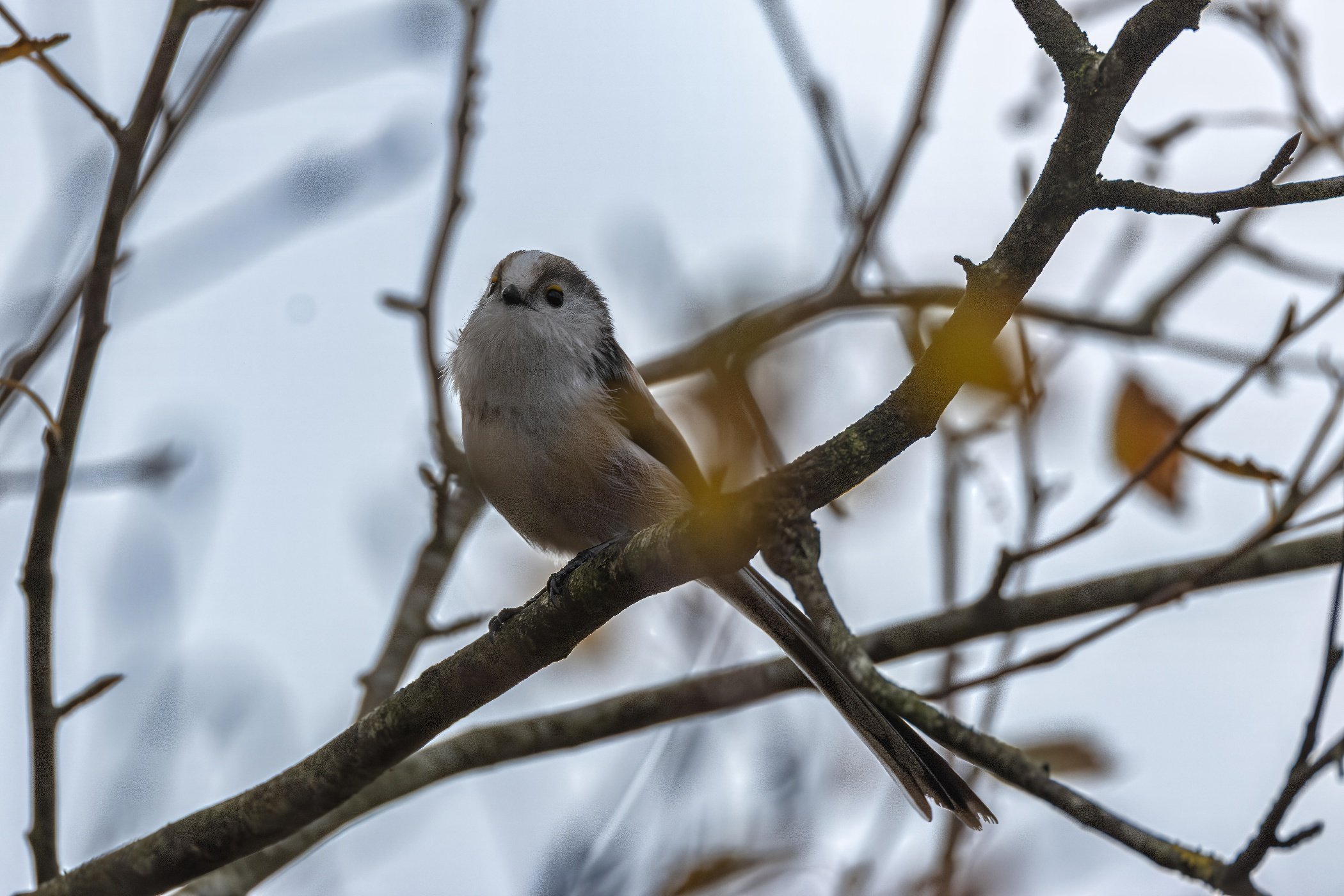
Our first walk took us to Sehestedt, where the coastal dike and salt marsh form a striking mosaic of green meadows, shallow pools, and mudflats. The air was crisp, the wind carried the scent of salt and seaweed, and the muted light of early November added a quiet, almost contemplative atmosphere. Among the first birds to greet us was a delicate long-tailed tit (Schwanzmeise), flitting restlessly between the willows and hedgerows that line the path behind the dike. Its small, rounded body and remarkably long tail gave it a charmingly unbalanced appearance as it darted from branch to branch in search of insects.
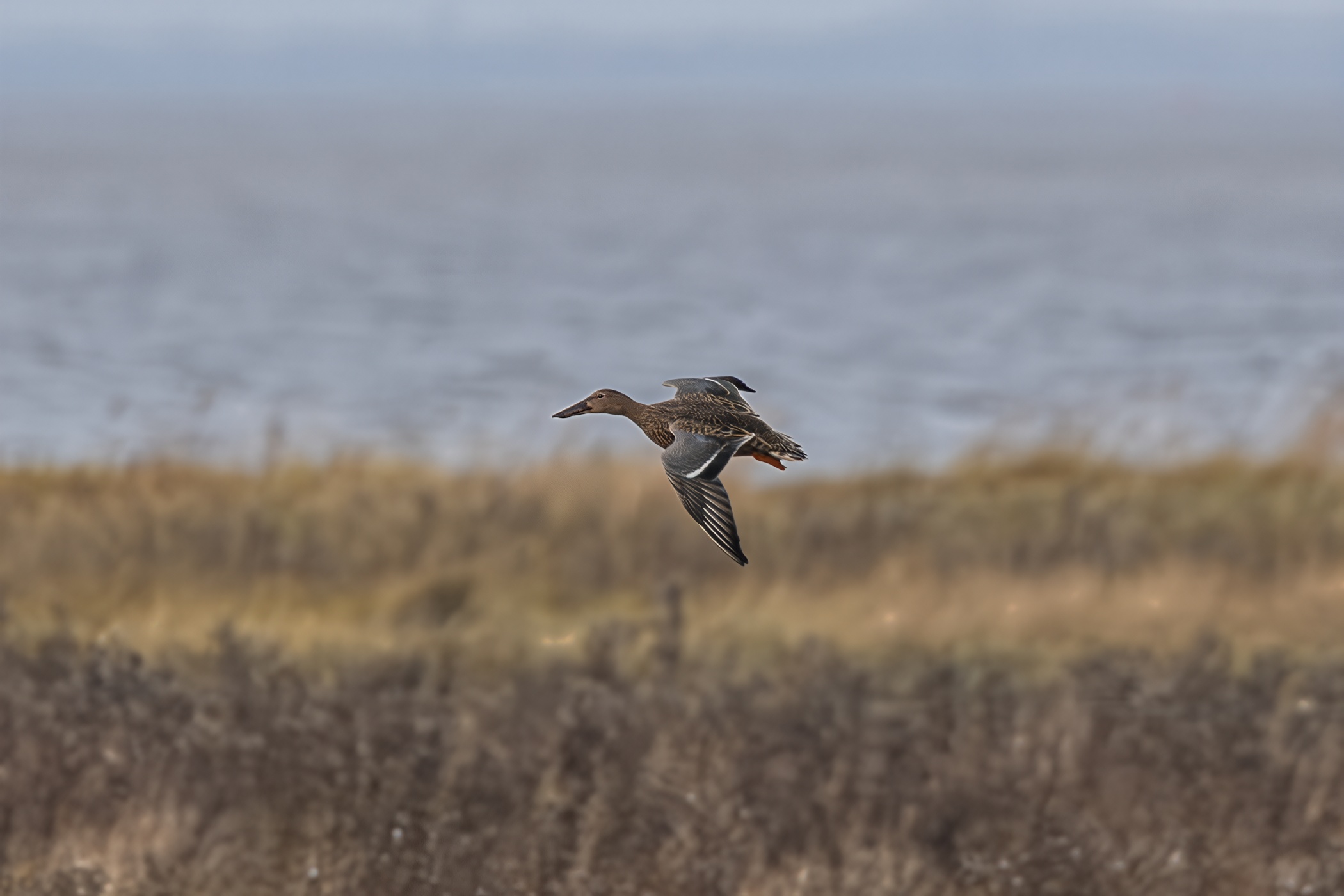
A little farther along, we spotted a shoveler (Löffelente) flying over the meadows. Their broad, spatula-shaped bills made them easy to identify even from a distance.
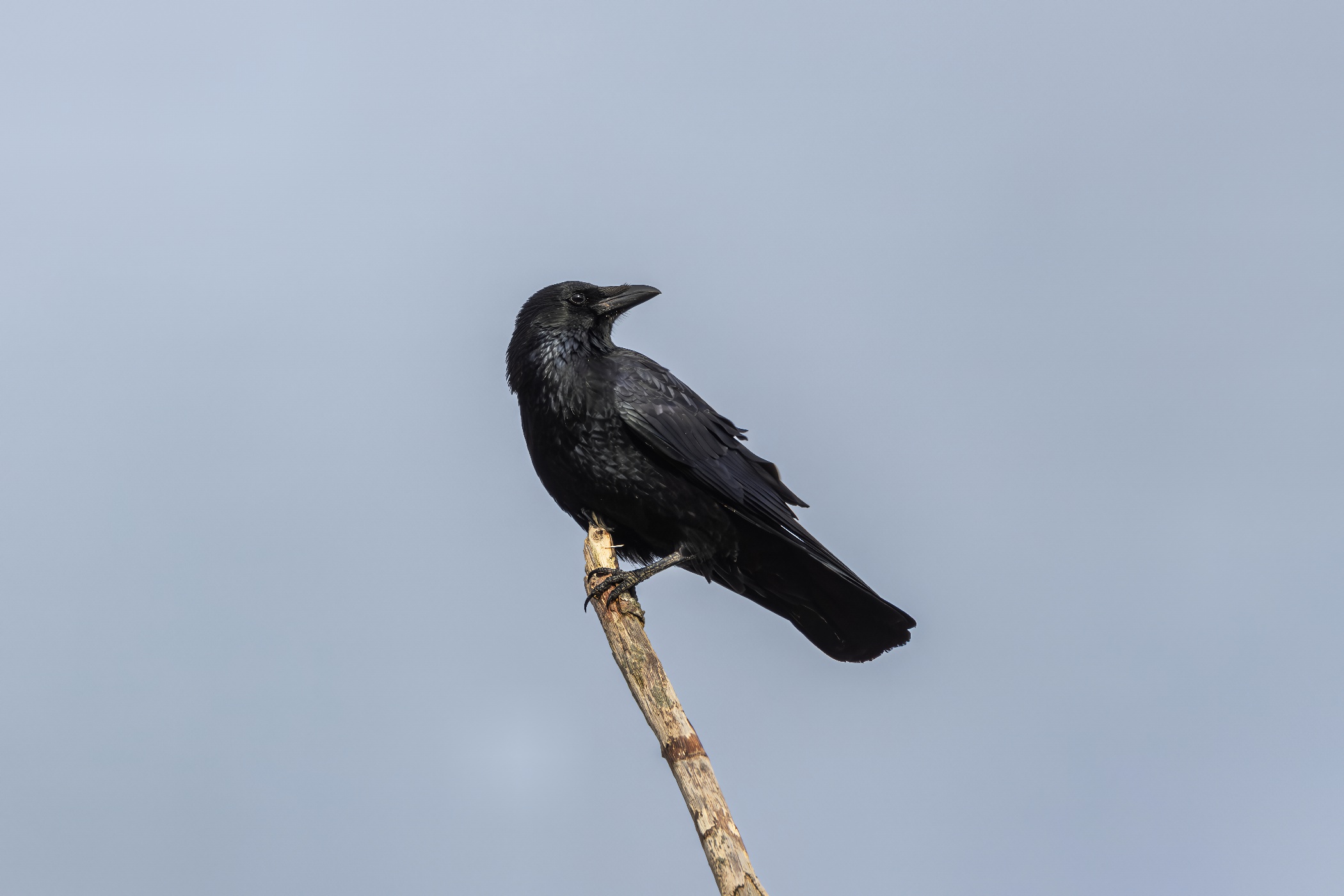
Nearby, a carrion crow (Rabenkrähe) patrolled the area from a tree.
A few days later, our second outing took us to Dangast, another jewel along the Jade Bay. The landscape here is somewhat more open, with expansive tidal flats stretching toward the horizon. The rhythm of the tide dictated both the sounds and the sights of the day—distant calls, the murmuring of water retreating, and flocks of waders feeding along the exposed mud.
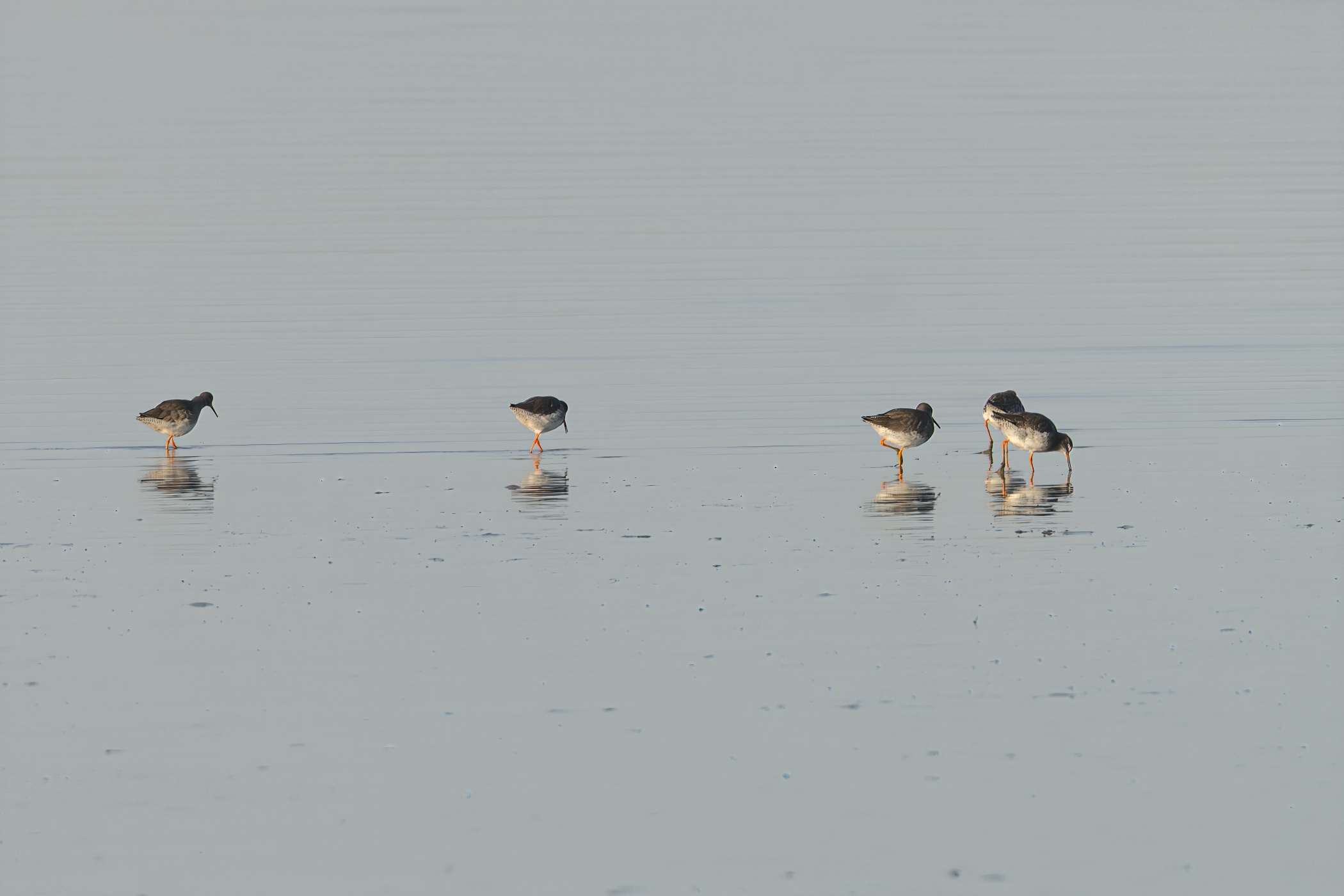
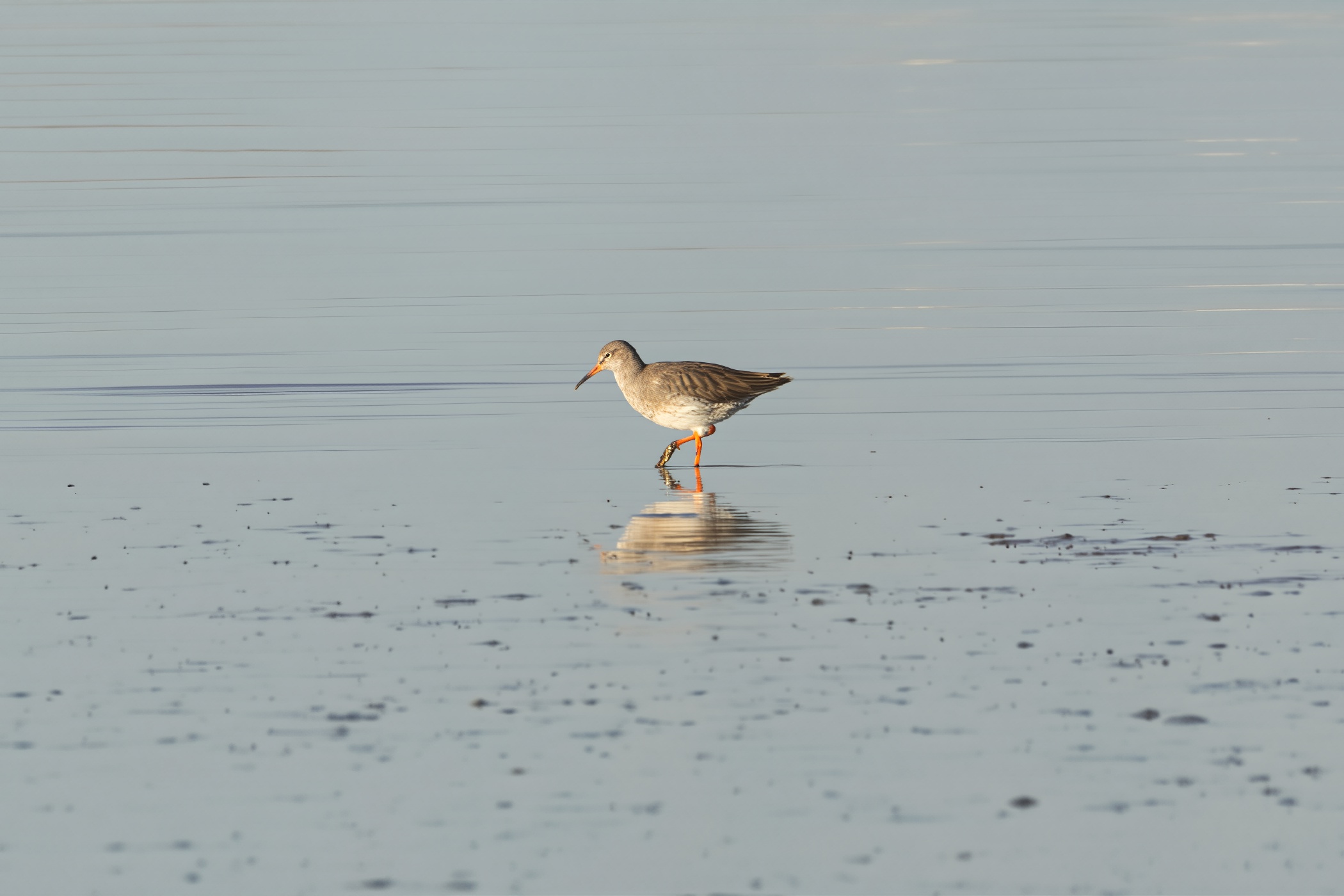
Here, we encountered a richer variety of shorebirds. Several redshanks (Rotschenkel) stood along the water’s edge, their bright orange legs contrasting sharply with the grey tones of the wet sand. Their piercing calls echoed across the flats as they moved in small, restless groups.
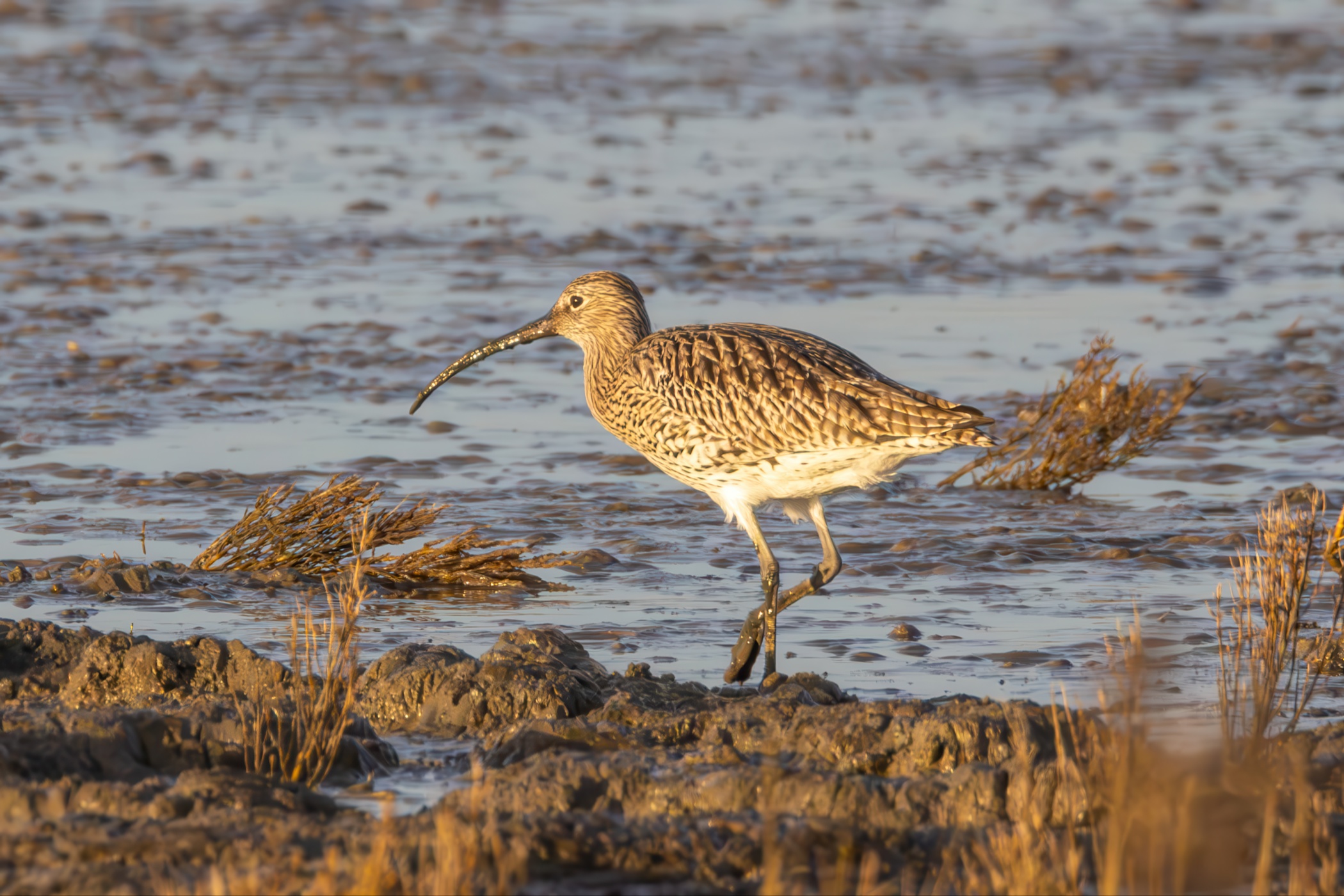
Scattered among them were elegant curlews (Brachvögel), their long, down-curved bills probing the mud for worms and small crustaceans. Their melancholy calls—low, fluting notes—added a haunting beauty to the windy coastal scene.
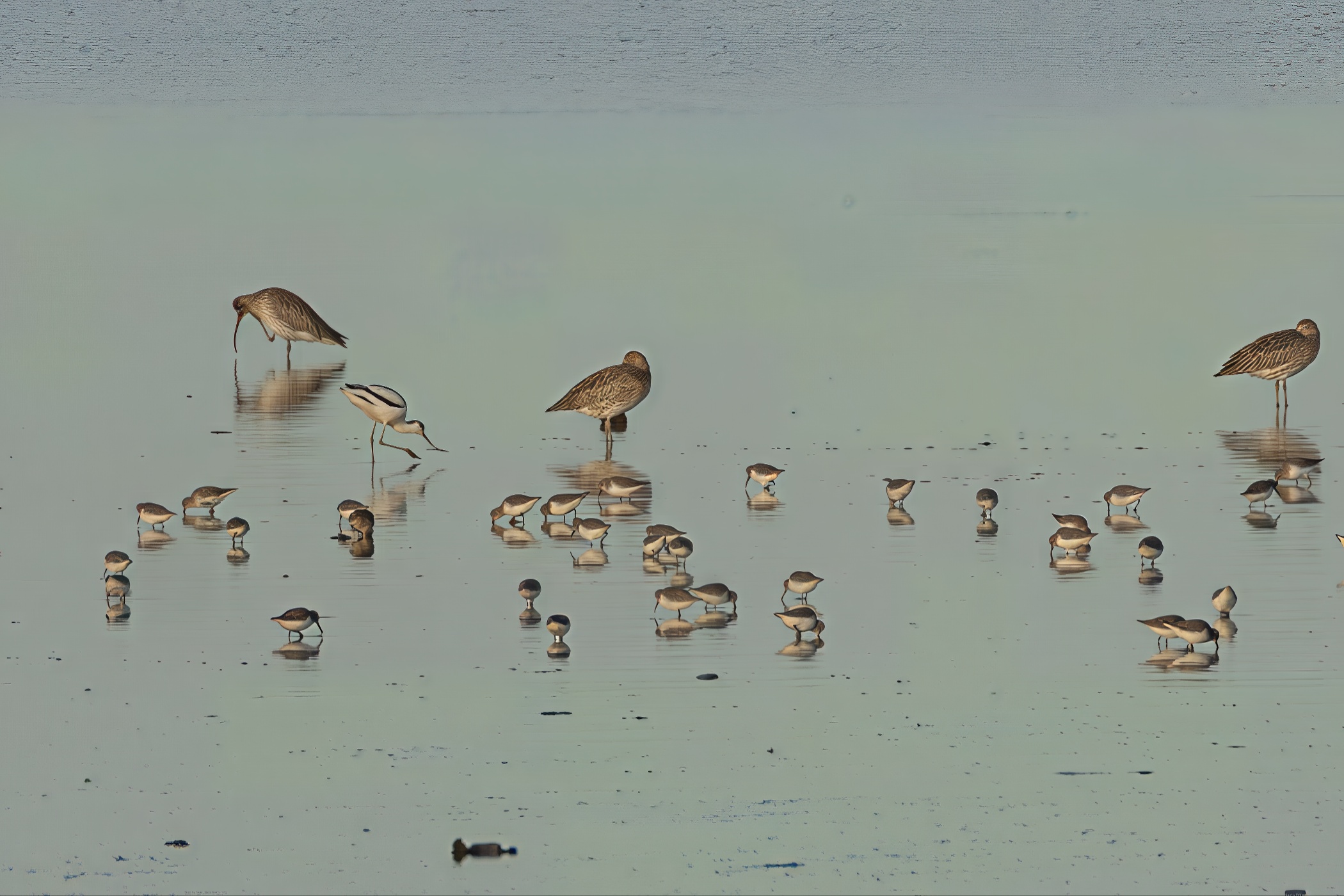
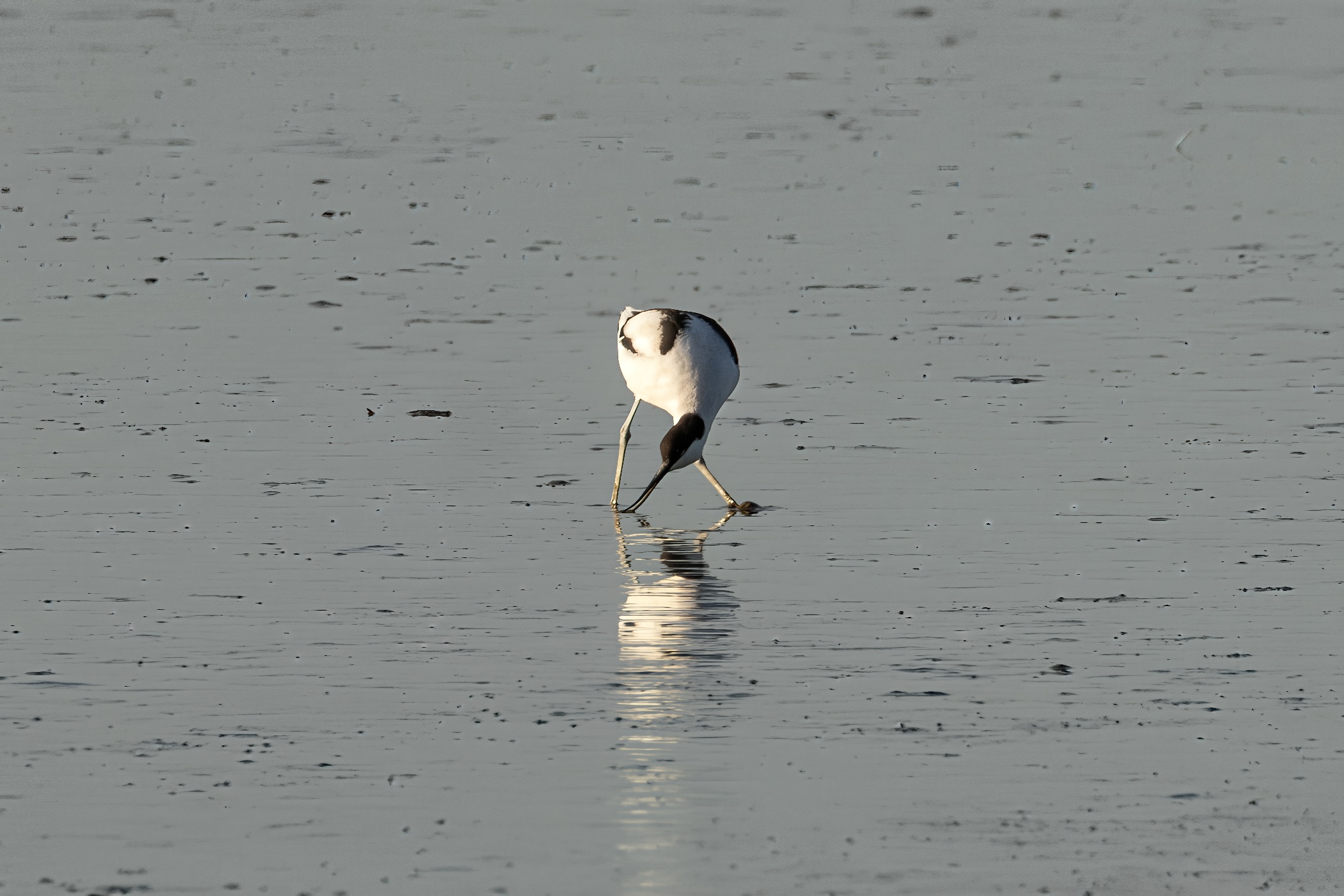
The highlight of the morning came when we spotted a few avocets (Säbelschnäbler) gracefully sweeping their upturned bills through the shallow water. Their striking black-and-white plumage and fluid feeding motion gave them a sense of elegance.
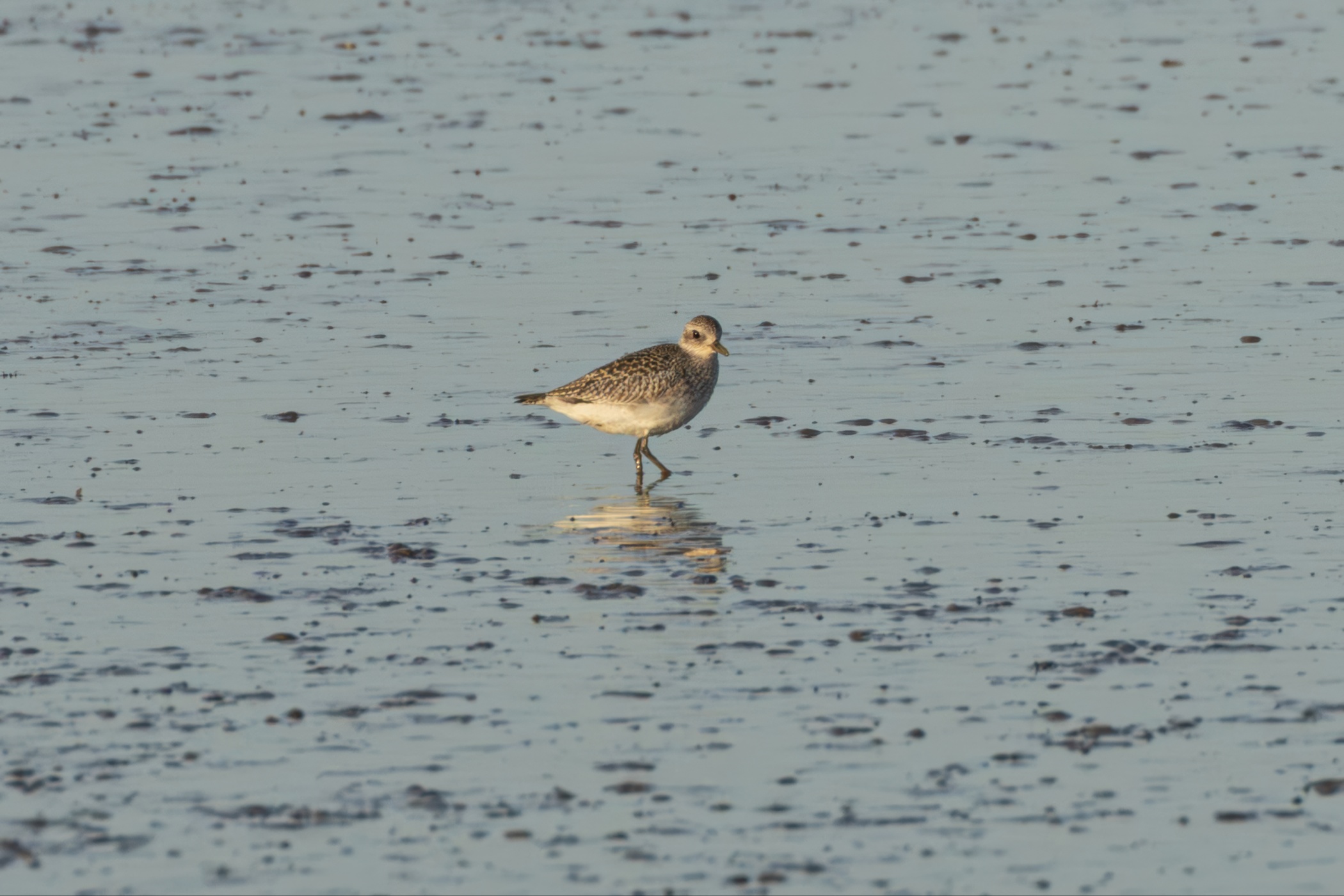
Not far from them, several grey plovers (Kiebitzregenpfeifer) were foraging, their plumage subtly blending into the landscape.
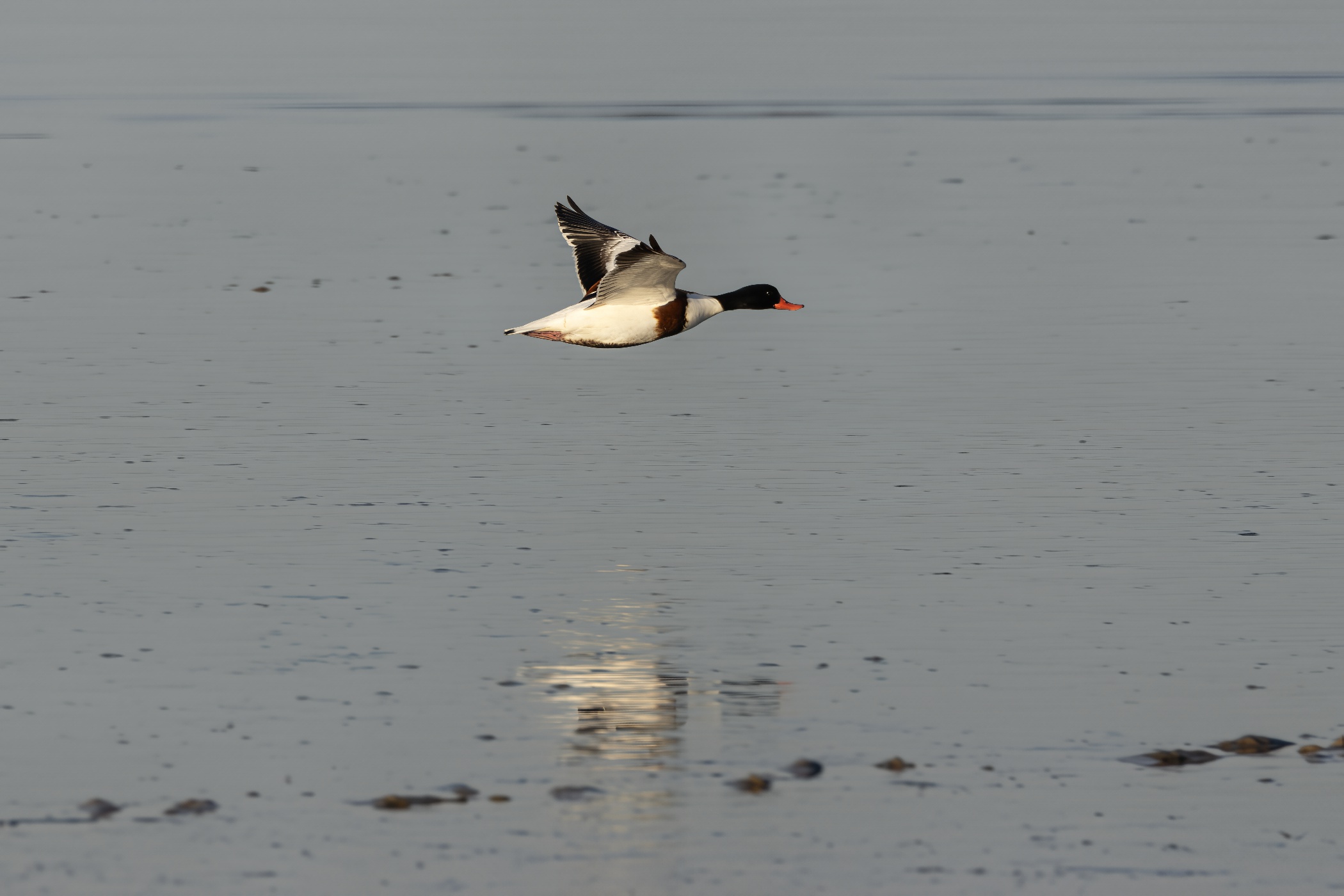
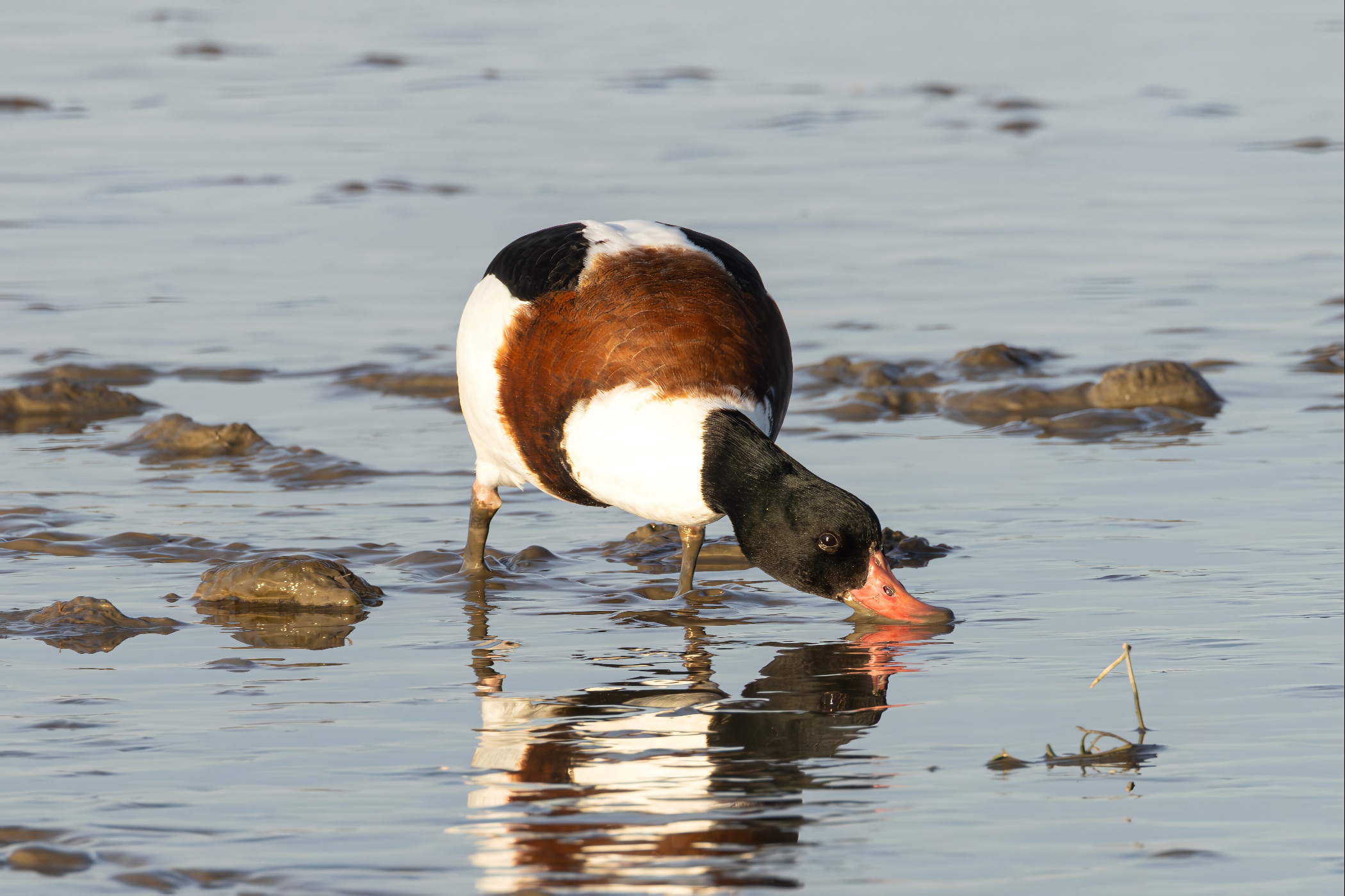
Further inland, we noticed a small group of shelducks (Brandgänse)—sturdy and colorful birds that added a splash of brightness to the muted tones of the tidal marsh.

Leave a reply